Weeds in. Fertiliser out.No poisons, no machines.
Targeted goat grazing on the NSW Mid North Coast, out of Port Macquarie. Our herd is taking enquiries and bookings for December 2026 onwards, and the earliest enquiries get first pick of the calendar.
Port Macquarie · Wauchope · Kempsey · Laurieton · Taree · Forster - and surrounds. No obligation, no deposit.
No poisons, no worries
Keep your dam, creeks, wildlife, pets and soil clean and healthy while effectively dealing with the problem weeds.
All-terrain vegetation control
Machines tear apart soft ground, and can't get in the tricky areas. Goats get into the gully's and hard to reach places, taking care of weeds from ground level up to about 2 metres up the tree.
Better than how you found it
Goats don't just eat the weeds, they turn them into fertiliser and neutralize a high % of seeds during digestion. Your soils are improved, and native species get a headstart.
Three ways to deal with an overgrown block
Most landholders we speak to have already tried one of the other two, and didn’t like what it left behind.
Goats
Herbicide
Machinery
The terrain nothing else wants to work
Goats aren't made for grazing pasture. They prefer steep, rocky, dense areas that your machinery can't access.
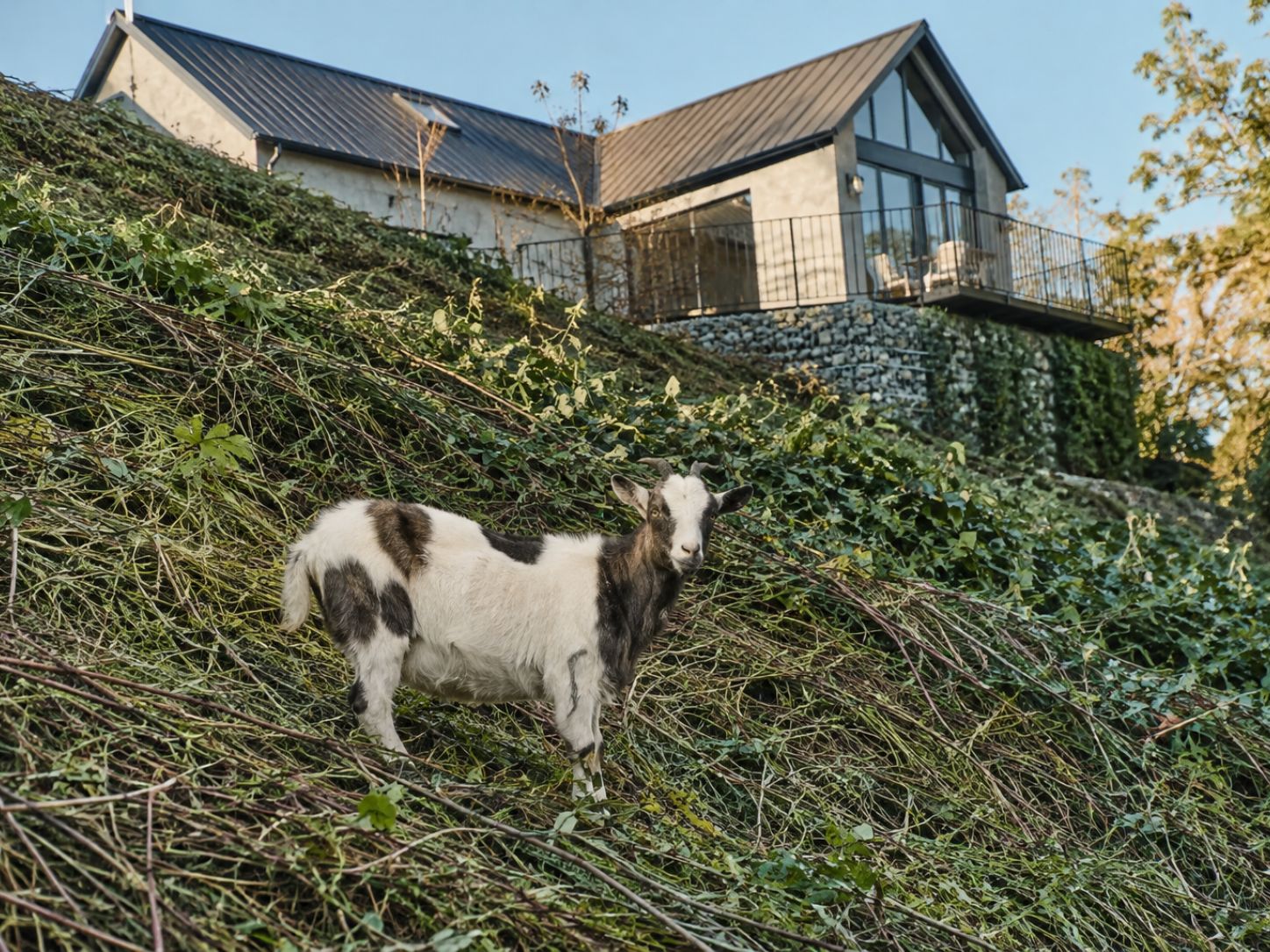
Goats leave the place better than they found it
Fertiliser
Weeds are turned into nutrients and deposited straight back onto the ground. A herd of goats can produce around 25kg of manure per day.
Clean soils
No herbicides destroying soils and poisoning the native species. Safe for other livestock, wildlife, pets, and crops.
Native species
Removing weeds that smother native plants, like blackberry and lantana, gives room for native pasture to grow and thrive.
Less seeds
Mulchers and slashers spread seeds across your property and leave a layer of mulch on top, preventing native grasses from sprouting, while allowing weeds to sprout again.
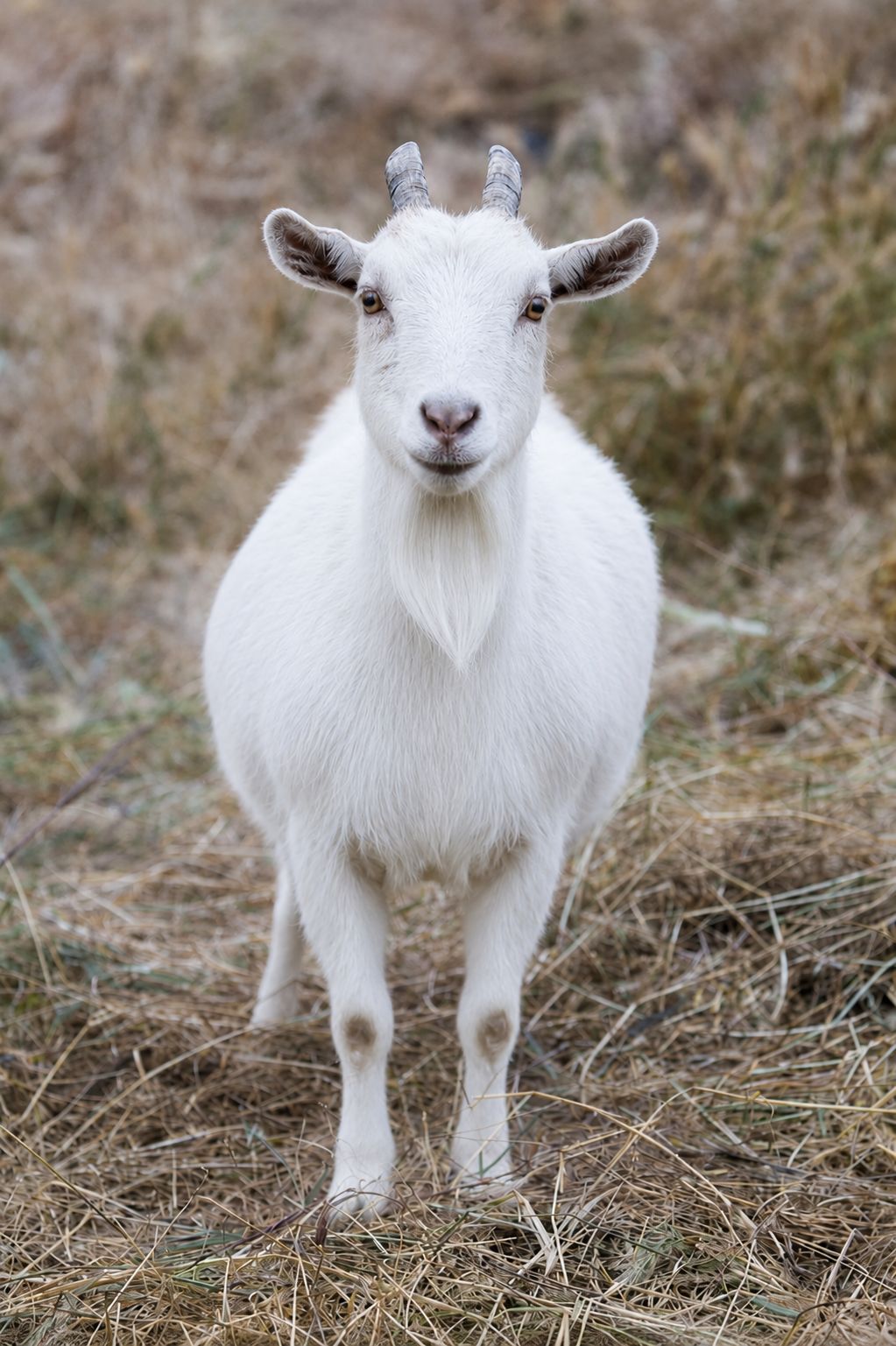
Natural fire prevention without the risks
Fine fuels and ladder fuels are what carry fire into a canopy and turn slow ground fires into dangerous crown fires. Goats browse the low and mid storey - the shrub, vine and regrowth layer between the grass and canopy - on terrain where a mulcher can’t operate and a burn is too risky.
Usual jobs - an asset protection strip around a dwelling or shed, a grazed break along a boundary or track, or opening up a gully that’s become overgrown.
Grazing complements your bushfire planning; it isn’t a substitute for your local RFS advice or an approved hazard reduction where one is required.
What they’ll happily work on
These are safe for goats, no limitations.
What we manage carefully
Goats control these well, but long exposure can be toxic - we limit exposure and ensure they always have other feed.
What they’ll leave standing
Toxic and unpalatable - goats walk past these as long as there’s better feed on offer. Don't worry, we manage this.
What goats can’t handle
This won’t rule your property out, but these must be fenced off or removed. We check for this on the site walk.
Start → Finish
Get in touch
Fill in our form and we will reach out to organise a site inspection and a formal quote.
Inspection + quote
No obligation, no deposit site inspection to assess your property for size, vegetation type, access and all other considerations.
Site prep + delivery
After payment, when it's your time to get started, we'll come around and set up fencing, as well as water, and if necessary, shelter. Then we will bring the goats out, and they'll get straight to work.
Check ups + movement
We will do regular check ups to ensure the goats have water, see how they're progressing, and move fencing to a new area as needed. When the goats are done, we'll pick them up and move them on to the next property.
What you’ll need on site
Short list, and none of it is a deal-breaker - if something’s missing, say so in your enquiry and we’ll work out whether we can bring it.
Water (preferable)
We'll bring the trough, but a trough needs water. If you've got a tap, or tank that we can hook a pipe onto, that's ideal. Alternatively, we can use IBC's to truck water out during check ups, but this will likely incur an additional charge.
24/7 + vehicle access
We need access for a 4x4 and trailer for delivery/pickup (we can fence off a walkway to the grazing area). We also need 24/7 access because we need to be able to check health, water, and fencing at any time of day to keep the goats safe and healthy.
Fencing - usually ours
Every now and then, we can use your fencing, but most often we will use our own electric fencing that can be moved as needed, setup precisely and the goats know to respect it.
Pets under control
If you have pets - particularly dogs, they need to be kept away from the goats. Dogs can be a danger to the goats, but goats can also be dangerous to dogs they don't know.
Shade or shelter
Trees, a shed or an area they can get out of the weather/sun. We'll bring portable shelter if there's nothing.
Protected areas
If you've got gardens, or other areas you want protected, tell us during the visit so we can make sure they are fenced off before the goats get there. Goats WILL eat your gardens if allowed, and this can KILL them, as well as destroy your garden.
The common questions
When can I book for?
We are currently taking bookings for December 2026 onwards.
What does it cost?
Every property is different, with different challenges, different timeframes and different goals. Once you've sent through your enquiry, we can send through a ballpark figure, and if you're happy with that we can organise a site inspection and provide a formal quote.
Do you cover my area?
We're based in Port Macquarie and work across the Mid North Coast - Wauchope, Kempsey, Camden Haven, Taree, Forster and the surrounding areas. If you're address is outside this area, that doesn't rule you out but it may add costs or mean we need to wait until we have other jobs in your area and batch them together.
How long do they stay?
This will depend on how big the area is and how dense the vegetation is. Assume roughly 2-2.5 acres per week for our normal herd of 50.
Will they eat my garden?
Given the chance, absolutely! That's why we fence off any areas you want protected.
Are they safe around kids, pets and livestock?
Goats are generally friendly, curious animals. However, they are working inside an electric fence that packs a fair punch. They can also be dangerous to people unfamiliar with how to handle them (horns, headbutts, hooves...). We ask that you keep yourself, children and pets outside the fence. If you want to pet them, please ask while we are there during a checkup or delivery.
Who looks after them while they're here?
Almost always us! We will check on them every 1-3 days depending on the circumstances, making sure they have water, checking them for any health concerns and moving their fence as needed.
Insurance, biosecurity and paperwork?
99% is handled by us! We have insurance, handle the transport documentation, keep welfare check records and all other necessary paperwork. The only thing we need from you is a PIC (Property identification code) which we can help you get if you don't already have on.
What is a PIC?
A PIC (Property identification code) is a unique code linked to your property that is used for biosecurity and tracking livestock movements. It is assigned by Local Land Services and can be easily applied for by email or phone before your booking. Need help? Let us know and we'll do as much as we can to get you sorted.
What happens in an emergency?
We have a mobile phone on 24/7 for emergencies. If you notice the goats are out of their fence, look sick or you've found one deceased, please give us a call as soon as possible. We'll give you the number during your booking process.
Is my booking date exact?
Not exactly, it has to be flexible due to the nature of the work. If the property the goats are on need more time, they get first priority. You'll get the same priority when they're on your property.
Tell us about your block
No obligation, no deposit.